
People with disabilities are at the heart of our society. Accessibility is a human right and a prerequisite for genuine participation. In Wiesbaden, we want to break down physical and mental barriers – in public spaces and in people’s minds. Only if all people can participate in social life on an equal footing will a solidarity-based urban society emerge. For us, inclusion does not mean integration into existing structures, but their transformation for all. Accessibility not only benefits people with disabilities, but also makes life easier and more comfortable for everyone.
Inclusion and accessibility
What inclusion and accessibility mean to us
What we want to do specifically in this area
We create a systematic inclusion action plan for Wiesbaden that covers all areas of life and defines measurable goals. Participation of people with disabilities is key.
Through the working group of the Wiesbaden Disabled Organisations and the Disabled Interest Group, we involve people with disabilities at an early stage in social space planning and urban construction projects in order to make their expertise directly usable.
Digital offers and publications must be accessible to all, regardless of age, language or restrictions. Citizen-oriented language, clear structures and the absence of abbreviations ensure transparency, comprehensibility and genuine participation.
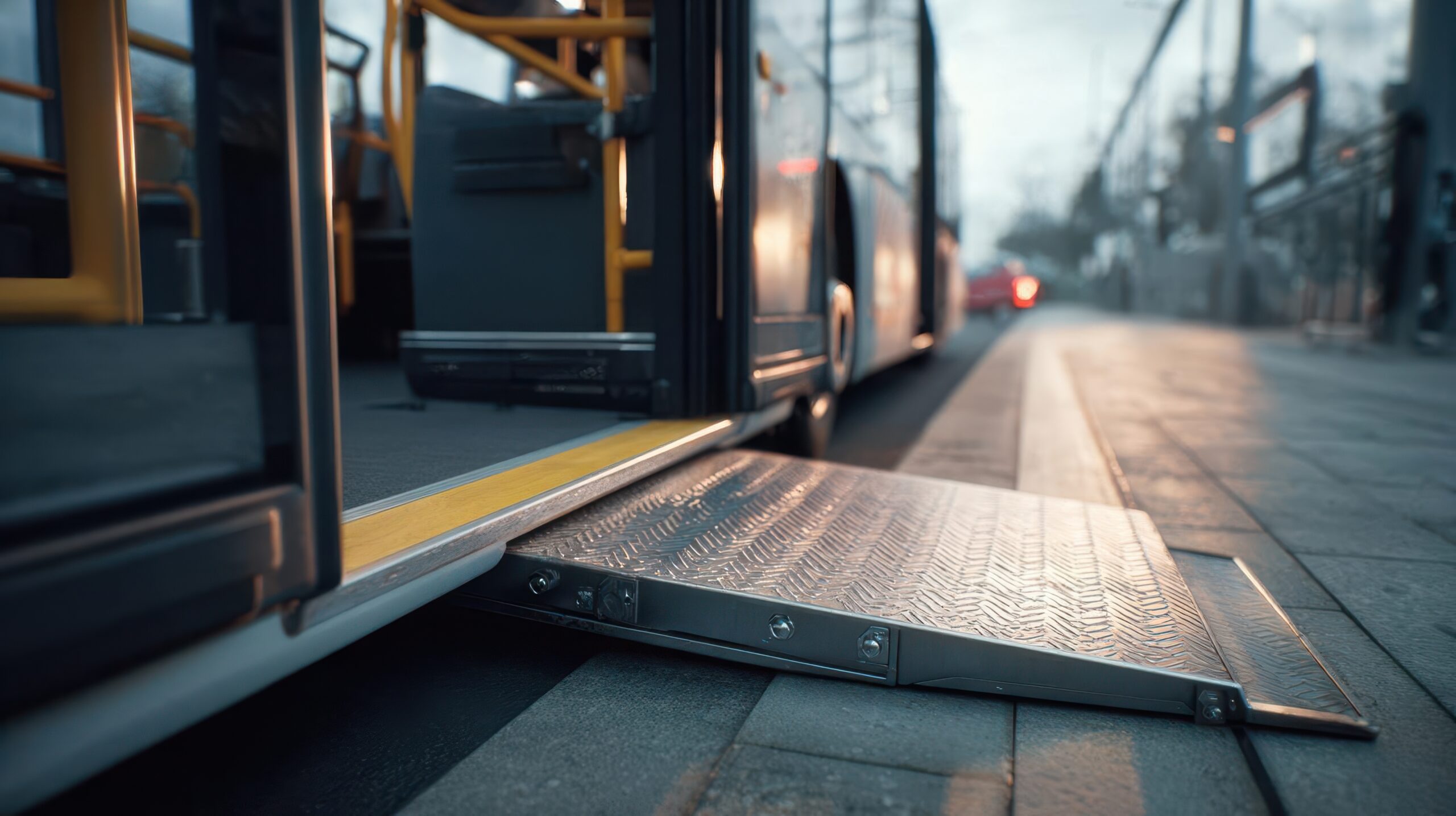
Barrier-free stops, vehicles and fares allow all people unrestricted mobility in accordance with the provisions of the Passenger Transport Act in the local transport plan.
We want to break new ground in order to meet the requirements of the Federal Participation Act even in times of shortage of skilled workers and limited financial resources. When it comes to participation assistance in schools, we want to have pool solutions tested. As a result, complex applications and diagnostic procedures for each individual child can be dispensed with, while at the same time children who have need for support without entitlement to participatory assistance also benefit.
We want to design playground equipment on public playgrounds in such a way that children with and without disabilities can play together.
The city administration is becoming a role model in the employment of people with disabilities, through the appropriate workplace design and support structures.
What we have already achieved
The City of Wiesbaden has modernised its website to facilitate access to information and services. The site is barrier-free and offers content in 12 languages. In addition, content in easy language and German sign language will be offered to further increase accessibility.
Since 2025, the Kids Fox app has been introduced in all 42 urban daycare centres. This supports parents and nursery staff in communication and organization. The application offers an automatic translation function in 27 languages. This also makes it easier for deaf people to communicate without an interpreter.
In close cooperation with the city management, the municipal inclusion officers and the working group inclusion and accessibility, we have developed a new inner city plan for Wiesbaden. This plan provides detailed information on barrier-free paths, bus stops, disabled parking, wheelchair-accessible toilet facilities, barrier-free dining, hotels with barrier-free rooms and publicly accessible, barrier-free toilets. In addition, sights, cultural facilities and tourist destinations are clearly marked. The barrier-free city map is also accessible online and provides valuable guidance for all those who depend on barrier-free infrastructure.
For people with visual impairment or blindness, tactile city models have been installed. These models, which were manufactured by the Deutsche Blindenstudienanstalt in Marburg, are located on the market square and in the main train station. They enable a haptic orientation and facilitate independent movement in the city center.
Since 2022, numerous bus stops in Wiesbaden have been converted into barrier-free facilities, including Waldstraße, Dyckerhoffstraße, Flachstraße, Kahle Mühle P+R and Bussteig D at the main station. Elevated curbs, widened stop areas and tactile guiding elements facilitate entry and exit for people with disabilities, senior citizens and families with strollers. By combining state and urban resources, public transport in Wiesbaden is gradually becoming more inclusive, accessible and comfortable for everyone. In addition, numerous traffic lights are already equipped with acoustic signals, so that people with visual impairment can safely cross roads and intersections.
An elevator has been installed at the Kransand in Mainz-Kastel, which provides a barrier-free connection between the banks of the Rhine and the bridgehead. With a height difference of 6.5 meters, people with reduced mobility can easily reach the leisure area on the Rhine. In addition, the site itself is equipped with barrier-free elements, including skate park, Trimm Dich equipment and dispensing area. This will provide everyone with equal access to leisure and recreation on the banks of the Rhine.
Since July 2025, Wiesbaden has been offering a ‘silent hour’ every Thursday from 3 p.m. to 5 p.m. in over 20 shops in the city centre. During this time, bright light, loud music and announcements are reduced to create a low-irritation shopping experience. The aim is to facilitate access to public life for people with sensory or psychological disabilities such as autism, ADHD or long-covid. Wiesbaden is thus the first city in Germany to implement this concept nationwide and send a strong signal for lived inclusion.
For 2025, the training programme for urban daycare centres will focus on ‘inclusion in all its facets’. The aim is to provide all children with good educational and development opportunities and to find answers to the challenges of inclusive education.
The City of Wiesbaden has developed a ‘Wiesbaden participation standard for districts with high social needs’. This standard describes measures to improve social infrastructure in disadvantaged districts. Particular emphasis is placed on inclusion, for example by including offers for people with disabilities in the planning.
In May 2025, the European Day of Protest for the Equality of Persons with Disabilities took place for the first time in Wiesbaden. Together with interest groups, associations and the administration, the city made visible signs of inclusion and accessibility – in and in front of the town hall. This collaborative project shows how cities, politicians and civil society actors work together to strengthen inclusion, promote the participation of people with disabilities and make inclusion visible.